Loading bills…
S.B. 244Cardiac Emergency Response Plans in Schools
Signed into Law
Bill SponsorSen. Jerry W StevensonRepublicanFloor SponsorRep. Karen M. PetersonRepublican
Current version: SB0244S01 (substitute)
Plain-language summary
Starting with the 2026-2027 school year, this bill would require every public school in Utah to create a cardiac emergency response plan following evidence-based guidelines, such as those from the American Heart Association, for responding to sudden cardiac arrest or similar emergencies on school grounds. Schools would need to place at least one automated external defibrillator (AED) in a clearly marked, unlocked location accessible within three minutes anywhere on campus, keep it properly maintained, and notify local emergency medical services about the device and its location. The bill would also require designated staff, such as teachers, school nurses, or athletic trainers, to be trained in first aid, CPR, and AED use, and it would create a $200,000 grant program run by the State Board of Education to help schools pay for AEDs, training, and related materials, with priority given to schools serving high numbers of low-income students. The State Board would be authorized to write rules governing how grants are awarded and how compliance with these requirements is monitored.
AI-generated summary, not yet reviewed by Better Utah staff.
AI summaries can make mistakes and leave things out. The bill text is the official version.
What this bill does
This bill establishes requirements for cardiac emergency response plans in schools.
Key provisions
This bill:
- defines terms;
- requires each school to develop a cardiac emergency response plan;
- requires plans to include evidence-based core elements for emergency cardiovascular care;
- requires appropriate placement and maintenance of automated external defibrillators (AED);
- requires training of appropriate school staff in first aid, CPR, and AED use;
- establishes a grant program to aid in implementing cardiac emergency response plans; and
- requires the State Board of Education to make rules.
Where it is
Introduction, completed
Feb 4
Senate Rules, completed
Feb 4
Senate committee, completed
Feb 12 · Recommended, 3 to 1 (see the votes)
Senate 2nd reading, completed
Feb 26 · 24 to 1 (see the votes)
Senate 3rd reading, completed
Feb 27 · 26 to 0 (see the votes)
House Rules, completed
Mar 2
House committee, completed
House 3rd reading, completed
Mar 4 · 65 to 1 (see the votes)
Senate concurrence, completed
Mar 5 · 26 to 0 (see the votes)
Governor signed, completed
Mar 19
S.B. 244Cardiac Emergency Response Plans in Schools
Current version: SB0244S01 (substitute)
Signed into Law
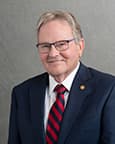
Bill SponsorSen. Jerry W StevensonRepublican

Floor SponsorRep. Karen M. PetersonRepublican