Loading bills…
S.B. 206Tax Amendments
Signed into Law
Bill SponsorSen. Wayne A. HarperRepublicanFloor SponsorRep. R. Neil WalterRepublican
Current version: SB0206S04 (substitute)
Plain-language summary
Property tax administration in Utah would see significant changes under this bill, which dissolves the Multicounty Appraisal Trust (MCAT) — a cooperative body that has handled property tax valuation and administration across counties — and replaces it with a new state-run program called the Statewide Tax Administration and Technology Solutions program, overseen by a program manager. This new program would take over MCAT's former duties, including maintaining the statewide property tax software system, providing property valuation services, assessing personal property owned by telecommunications companies, and participating in a study on fees charged for heavy equipment rentals. The bill also creates new oversight rules for tax increment financing, a tool that lets local entities capture future growth in property tax revenue to pay for development projects: starting July 1, 2026, entities planning to use tax increment financing would be required to hold a public meeting and notify affected taxing entities and the program manager beforehand, report annually on their use of the funds, and use any revenue that exceeds original projections to pay down debt rather than spend it elsewhere. Counties that prefer not to use the state's property tax system could opt out under conditions the Tax Commission would establish, and the bill also adjusts how certain property value increases are counted when calculating "new growth" for tax purposes.
AI-generated summary, not yet reviewed by Better Utah staff.
AI summaries can make mistakes and leave things out. The bill text is the official version.
What this bill does
This bill modifies provisions relating to tax.
Key provisions
This bill:
- creates the Statewide Tax Administration and Technology Solutions program, which includes the following services:
- maintenance and enhancement of the statewide property tax system, including statewide web portals;
- provision of property valuation services;
- valuation of personal property of telecommunications service providers;
- participation in a study on the rate of a recovery fee for rentals of heavy equipment; and
- collation of information from county auditors on project areas and from entities that seek to receive and receive tax increment financing;
- establishes the program manager;
- transfers responsibilities from the Multicounty Appraisal Trust (MCAT) to the program manager;
- transfers existing MCAT personal property and unexpended revenue to the program manager;
- imposes accounting and reporting obligations on the program manager;
- grants rulemaking authority to the State Tax Commission to establish the requirements for the statewide property tax system and for a county to comply with a factoring order;
- provides the conditions for a county to opt out of use of the statewide property tax system;
- beginning July 1, 2026, requires an entity intending to use tax increment to first:
- conduct a public meeting; and
- submit information to the program manager and notice to the taxing entities providing tax increment and the entities distributing tax increment;
- requires most types of entities that receive more revenue from tax increment than anticipated to use the revenue to pay off debt;
- requires an entity that receives tax increment to report annually to the program manager;
- excludes certain property valuation increases from the calculation of locally assessed new growth;
- excludes increases to the value of tangible personal property from the calculation of project area new growth;
- modifies definitions relating to public service districts to reflect the transition of land within the public service districts from unincorporated county to incorporated cities or towns since the public service districts formed; and
- makes technical and conforming changes.
Where it is
Introduction, completed
Jan 28
Senate Rules, completed
Jan 29
Senate committee, completed
Senate 2nd reading, completed
Feb 23 · 27 to 0 (see the votes)
Senate 3rd reading, completed
Feb 24 · 25 to 0 (see the votes)
House Rules, completed
Feb 27
House committee, completed
House 3rd reading, completed
Mar 6 · 64 to 1 (see the votes)
Senate concurrence, completed
Mar 6 · 26 to 0 (see the votes)
Governor signed, completed
Mar 23
S.B. 206Tax Amendments
Current version: SB0206S04 (substitute)
Signed into Law
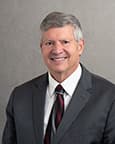
Bill SponsorSen. Wayne A. HarperRepublican

Floor SponsorRep. R. Neil WalterRepublican