Loading bills…
S.B. 191Tow Yard Amendments
Signed into Law
Bill SponsorSen. Don L. IpsonRepublicanFloor SponsorRep. Thomas W. PetersonRepublican
Current version: SB0191S02 (substitute)
Plain-language summary
Impound lots — the facilities where towed or seized vehicles are stored — would face a detailed set of physical and operational standards written directly into state law, including requirements for fencing, signage, hard-surfaced storage areas, staffed on-site offices during business hours, and free access to compressed air and battery boosting equipment. The Motor Vehicle Division would be authorized to inspect impound lots for compliance, issue written notices when standards aren't met, and suspend a lot's authorization to operate if problems aren't fixed within 30 days, with an appeals process available through the Tax Commission. The bill also sets out procedures for vehicle owners or authorized individuals to retrieve personal belongings and essential items from an impounded vehicle by showing identification and signing for the property. Separately, anyone with an ownership stake in a towing company removed from a police towing rotation in Salt Lake or Utah County (the state's two most populous counties) would be barred from rejoining any towing rotation in those counties for three years, and companies would need three consecutive years of state certification before being added to a rotation there; the bill also includes a clause specifying that if a related bill, S.B. 120, also passes, this bill's impound lot provisions would take precedence.
AI-generated summary, not yet reviewed by Better Utah staff.
AI summaries can make mistakes and leave things out. The bill text is the official version.
What this bill does
This bill codifies existing rules regarding state impound lot standards and creates a mandatory waiting period for a person removed from a towing rotation to rejoin a towing rotation in a first or second class county.
Key provisions
This bill:
- defines terms;
- establishes requirements for an impound lot;
- allows the Motor Vehicle Division to review an impound lot's qualifications;
- creates procedures for retrieval of items from an impounded vehicle;
- creates a waiting period for a person removed from a towing rotation from being added to a towing rotation in a first or second class county with a new tow truck motor carrier;
- includes a coordination clause providing that substantive changes to Section 41-1a-1101 in this bill supersede the changes to that section in S.B. 120, Towing Modifications; and
- makes technical changes.
Where it is
Introduction, completed
Jan 23
Senate Rules, completed
Jan 27
Senate committee, completed
Jan 29 · Recommended, 4 to 0 (see the votes)
Senate 2nd reading, completed
Feb 4
Senate 3rd reading, completed
Feb 4 · 27 to 0 (see the votes)
House Rules, completed
Feb 5
House committee, completed
Feb 11 · Recommended, 10 to 0 (see the votes)
House 3rd reading, completed
Feb 19 · 69 to 1 (see the votes)
Senate concurrence, completed
Feb 20 · 25 to 0 (see the votes)
Governor signed, completed
Mar 23
S.B. 191Tow Yard Amendments
Current version: SB0191S02 (substitute)
Signed into Law
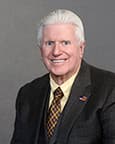
Bill SponsorSen. Don L. IpsonRepublican

Floor SponsorRep. Thomas W. PetersonRepublican