Loading bills…
S.B. 116Income Tax Rate Modifications
FailedOppose
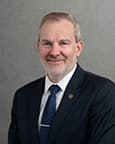
Bill SponsorSen. Lincoln FillmoreRepublican
Current version: SB0116S01 (substitute)
Plain-language summary
Utah's state income tax rate would be set at 4.5% starting in 2027, and from 2028 through 2037, a group of state budget officials would compare actual state revenue each year to pre-set revenue targets written into the bill; if actual revenue exceeds the target, half of that surplus would automatically go toward lowering the income tax rate in small increments, with the State Tax Commission publishing the updated rate every November before it takes effect the following January. Starting in 2038, whatever rate is in effect at that time would remain permanent. The bill also changes the mineral production tax withholding rate—the amount withheld from payments to people involved in mineral production in Utah—from a flat 5% to whatever the current income tax rate is, and it makes matching adjustments throughout the tax code so that various tax credits and calculations (covering things like retirement income, health benefits, education savings, and business taxes) automatically use this same adjustable income tax rate instead of a fixed percentage.
AI-generated summary, not yet reviewed by Better Utah staff.
AI summaries can make mistakes and leave things out. The bill text is the official version.
Our position
Oppose
SB 116 would put Utah's income tax rate on a one-way path downward, and Better Utah opposes it. From 2027 through 2036, whenever state revenue comes in above a forecast written into the bill, half of the extra money would automatically go toward lowering the income tax rate for both individuals and corporations, and the formula has no way to raise the rate again. Because Utah taxes income at one flat rate, the biggest dollar savings would go to high earners and corporations, while the income tax money that supports public schools would shrink for good. The bill also counts sales and fuel taxes when measuring extra revenue, so those collections could drive more income tax cuts and slowly shift Utah toward sales taxes, which fall harder on low- and middle-income families.
Better Utah Institute · updated Feb 28
What this bill does
This bill modifies the income tax rates.
Key provisions
This bill:
- defines terms;
- provides for a reduction of the income tax rate when the actual state revenue exceeds the forecast revenue;
- provides a formula and process for calculating a reduction of the income tax rate;
- requires the State Tax Commission to publish the income tax rate annually;
- changes the mineral production tax withholding rate; and
- makes technical and conforming changes.
Where it is
Introduction, completed
Jan 20
Senate Rules, stopped here when the session ended
Session ended
Senate committee, completed
Jan 28 · Recommended, 3 to 2 (see the votes)
Senate 2nd reading, not yet
Senate 3rd reading, not yet
House Rules, not yet
House committee, not yet
House 3rd reading, not yet
Governor, not yet
Introduction, completed
Jan 20
Senate Rules, stopped here when the session ended
Session ended
Senate committee, completed
Jan 28 · Recommended, 3 to 2 (see the votes)
Senate 2nd reading, not yet
Senate 3rd reading, not yet
House Rules, not yet
House committee, not yet
House 3rd reading, not yet
Governor, not yet
Issues
Assigned by Better Utah.
S.B. 116Income Tax Rate Modifications
Current version: SB0116S01 (substitute)
Failed
Bill SponsorSen. Lincoln FillmoreRepublican
Introduction, completed
Jan 20
Senate Rules, stopped here when the session ended
Session ended
Senate committee, completed
Jan 28 · Recommended, 3 to 2 (see the votes)
Senate 2nd reading, not yet
Senate 3rd reading, not yet
House Rules, not yet
House committee, not yet
House 3rd reading, not yet
Governor, not yet
Introduction, completed
Jan 20
Senate Rules, stopped here when the session ended
Session ended
Senate committee, completed
Jan 28 · Recommended, 3 to 2 (see the votes)
Senate 2nd reading, not yet
Senate 3rd reading, not yet
House Rules, not yet
House committee, not yet
House 3rd reading, not yet
Governor, not yet