Loading bills…
S.B. 67Law Enforcement Quota Amendments
Failed
Bill SponsorSen. Todd WeilerRepublicanFloor SponsorRep. Ryan D. WilcoxRepublican
Plain-language summary
Utah law already prohibits law enforcement agencies from requiring officers to meet quotas for the number of citations or arrests they make. This bill narrows that definition slightly to focus specifically on citation quotas (removing arrests from the definition), while clarifying that targeted overtime shifts tied to grant funding don't count as impermissible quotas. It also spells out more clearly that agencies cannot evaluate, promote, compensate, reward, discipline, or transfer an officer based on whether they meet such a quota, though agencies may still consider an officer's community engagement or enforcement activity as part of overall job performance. Finally, the bill creates a way for people to report suspected quota violations to the State Commission on Criminal and Juvenile Justice, which must compile these reports and send an annual summary to the Legislature's Law Enforcement and Criminal Justice Interim Committee.
AI-generated summary, not yet reviewed by Better Utah staff.
AI summaries can make mistakes and leave things out. The bill text is the official version.
What this bill does
This bill concerns impermissible law enforcement quotas.
Key provisions
This bill:
- defines terms;
- requires the State Commission on Criminal and Juvenile Justice to collect reports of alleged violations of the impermissible law enforcement quota prohibition and annually report the data to the Law Enforcement and Criminal Justice Interim Committee;
- prohibits a political subdivision or law enforcement agency from:
- requiring or directing a peace officer to meet an impermissible quota; or
- transferring, promoting, disciplining, or taking other actions against a peace officer for reasons relating to an impermissible quota; and
- makes technical and conforming changes.
Where it is
Introduction, completed
Jan 20
Senate Rules, completed
Jan 20
Senate committee, completed
Feb 20 · Recommended, 4 to 0 (see the votes)
Senate 2nd reading, completed
Feb 26 · 25 to 0 (see the votes)
Senate 3rd reading, completed
Feb 27 · 25 to 0 (see the votes)
House Rules, stopped here when the session ended
Session ended
House committee, completed
House 3rd reading, not yet
Governor, not yet
S.B. 67Law Enforcement Quota Amendments
Failed

Bill SponsorSen. Todd WeilerRepublican
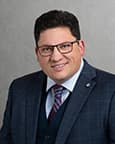
Floor SponsorRep. Ryan D. WilcoxRepublican