Loading bills…
S.B. 60Income Tax Rate Amendments
Signed into LawOppose
Bill SponsorSen. Daniel McCayRepublicanFloor SponsorRep. Steve EliasonRepublican
Plain-language summary
Utah's flat income tax rate currently applies to nearly every individual and business in the state at 4.5%. If passed, this bill would lower that rate to 4.45% for both individual taxpayers and corporations doing business in Utah, applying retroactively to income earned starting January 1, 2026. This means Utah residents filing state income tax returns and corporations paying franchise or income tax would owe slightly less, though the reduction is modest.
AI-generated summary, not yet reviewed by Better Utah staff.
AI summaries can make mistakes and leave things out. The bill text is the official version.
Our position
Oppose
SB0060 would lower Utah's income tax rate for both individuals and corporations from 4.5% to 4.45%, starting with the 2026 tax year, and Better Utah opposes it. Because Utah uses one flat rate for everyone, the biggest dollar savings would go to high earners and corporations, while low- and middle-income families would see very little. Utah's income tax is the main source of money for public schools, so this cut would shrink that funding without offering targeted help, like a larger earned income tax credit or removing the sales tax on food, that would do more for working Utahns.
Better Utah Institute · updated Feb 28
What this bill does
This bill amends the income tax rate provisions.
Key provisions
This bill:
- amends the corporate franchise and income tax rates; and
- amends the individual income tax rate.
Where it is
Introduction, completed
Jan 20
Senate Rules, completed
Jan 20
Senate committee, completed
Jan 28 · Recommended, 4 to 1 (see the votes)
Senate 2nd reading, completed
Feb 9 · 20 to 7 (see the votes)
Senate 3rd reading, completed
Feb 10 · 22 to 7 (see the votes)
House Rules, completed
Feb 26
House committee, completed
House 3rd reading, completed
Mar 4 · 61 to 11 (see the votes)
Governor signed, completed
Mar 23
Issues
Assigned by Better Utah.
S.B. 60Income Tax Rate Amendments
Signed into Law

Bill SponsorSen. Daniel McCayRepublican
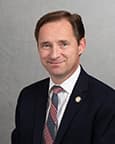
Floor SponsorRep. Steve EliasonRepublican