Loading bills…
S.B. 58Public School Attendance Amendments
Signed into Law
Bill SponsorSen. Lincoln FillmoreRepublicanFloor SponsorRep. Jason E. ThompsonRepublican
Current version: SB0058S05 (substitute)
Plain-language summary
Public school attendance policies in Utah would see significant changes under this bill, which creates new definitions distinguishing between traditional "attendance validated" programs (where students physically or virtually attend scheduled class periods) and "learner validated" programs designed for self-paced or competency-based learning, with separate rules for tracking absences, truancy, and instructional time in each. Starting in the 2026-2027 school year, school districts and charter schools would be required to notify parents within two instructional days of any unexcused absence, regularly review attendance data to identify students at risk of chronic absenteeism (defined as missing at least 10% of school days), provide tiered interventions for struggling attenders, maintain accurate records in their student information systems, and train staff annually on attendance policies; school boards would also need to publicly approve attendance policy changes and evaluate intervention effectiveness each year. The bill gives the State Board of Education new authority to set data quality standards, audit school attendance records, and require corrective action plans—including potentially withholding state funding—from districts that fail to meet those standards, though funding cannot be withheld solely for problems tracking excused absences. Separately, the bill directs the State Board to create rules requiring students to demonstrate "personal care independence" (being toilet trained) before enrolling in public school starting in the 2026-2027 school year, with exemptions for students whose disabilities are covered under federal special education law, an IEP, or a Section 504 plan.
AI-generated summary, not yet reviewed by Better Utah staff.
AI summaries can make mistakes and leave things out. The bill text is the official version.
What this bill does
This bill establishes comprehensive student attendance monitoring, chronic absenteeism supports, and accountability requirements for local education agencies.
Key provisions
This bill:
- establishes comprehensive student attendance monitoring and accountability requirements;
- requires local education agencies to implement enhanced attendance tracking and intervention programs;
- mandates performance metrics for attendance notifications and enforcement actions;
- creates data quality standards for student participation reporting;
- expands personal care independence requirements; and
- makes technical changes.
Where it is
Introduction, completed
Jan 20
Senate Rules, completed
Jan 20
Senate committee, completed
Jan 21 · Recommended, 3 to 1 (see the votes)
Senate 2nd reading, completed
Jan 27 · 26 to 0 (see the votes)
Senate 3rd reading, completed
Jan 28 · 29 to 0 (see the votes)
House Rules, completed
Feb 2
House committee, completed
House 3rd reading, completed
Mar 4 · 48 to 22 (see the votes)
Senate concurrence, completed
Mar 4 · 26 to 0 (see the votes)
Governor signed, completed
Mar 19
S.B. 58Public School Attendance Amendments
Current version: SB0058S05 (substitute)
Signed into Law
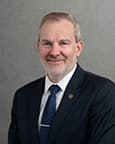
Bill SponsorSen. Lincoln FillmoreRepublican

Floor SponsorRep. Jason E. ThompsonRepublican