Loading bills…
S.B. 54Carson Smith Opportunity Scholarship Program Amendments
Signed into Law
Bill SponsorSen. Lincoln FillmoreRepublicanFloor SponsorRep. R. Neil WalterRepublican
Current version: SB0054S03 (substitute)
Plain-language summary
The Carson Smith Opportunity Scholarship Program, which helps families of students with disabilities pay for private school or approved educational services, would see several changes to its eligibility rules and oversight requirements under this bill. Families would no longer qualify for different scholarship amounts based on income, meaning all eligible K-12 students receive the same base award, and siblings of scholarship recipients would no longer automatically qualify for the program. The bill would require applicants to verify they primarily reside in Utah through documents such as tax records, utility bills, or a driver's license, and would let the state use tax records to help confirm residency if a family consents. It also standardizes what counts as a covered "scholarship expense" to match rules used in the similar Utah Fits All Scholarship Program, caps spending on extracurricular activities and physical education at 20% of a scholarship's total value (with an exception for physical therapy), sets new limits on when private schools and service providers can qualify to receive scholarship funds, requires organizations that administer the scholarships to conduct annual independent audits and disclose contracts and fees, and bars those organizations from charging processing fees to families.
AI-generated summary, not yet reviewed by Better Utah staff.
AI summaries can make mistakes and leave things out. The bill text is the official version.
What this bill does
This bill amends provisions of certain scholarship programs.
Key provisions
This bill:
- eliminates income based eligibility requirements for the scholarship;
- removes scholarship eligibility for a sibling;
- aligns the scholarship requirements with the Utah Fits All Scholarship Program;
- allows the scholarship granting organization to approve qualified providers and private schools;
- requires the scholarship granting organization to ensure physical education and extracurricular caps are followed;
- amends the definition of scholarship expense to be the same across multiple scholarship programs;
- establishes primary residency verification to be eligible for a scholarship;
- creates a deadline for an eligible student to accept the scholarship that the scholarship granting organization determines;
- clarifies entities that are not eligible to be a qualified provider under the scholarship program; and
- makes technical and conforming changes.
Where it is
Introduction, completed
Jan 20
Senate Rules, completed
Jan 20
Senate committee, completed
Senate 2nd reading, completed
Feb 20 · 22 to 1 (see the votes)
Senate 3rd reading, completed
Feb 23 · 20 to 5 (see the votes)
House Rules, completed
Feb 24
House committee, completed
Feb 26 · Recommended, 10 to 0 (see the votes)
House 3rd reading, completed
Mar 5 · 67 to 2 (see the votes)
Senate concurrence, completed
Mar 6 · 27 to 0 (see the votes)
Governor signed, completed
Mar 19
S.B. 54Carson Smith Opportunity Scholarship Program Amendments
Current version: SB0054S03 (substitute)
Signed into Law
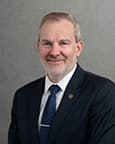
Bill SponsorSen. Lincoln FillmoreRepublican
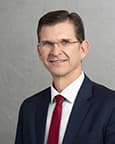
Floor SponsorRep. R. Neil WalterRepublican