Loading bills…
H.B. 572Behavioral Health, Mental Health, and Social Services Amendments
Signed into Law
Bill SponsorRep. Steve EliasonRepublicanFloor SponsorSen. Evan J. VickersRepublican
Current version: HB0572S06 (substitute)
Plain-language summary
This bill makes wide-ranging changes to how Utah organizes and delivers behavioral health, mental health, and homelessness services. It would move responsibility for administering and reporting on the Governor's Suicide Prevention Fund from the governor's office to the Office of Substance Use and Mental Health, create a new grant program supporting community-based peer support services for people recovering from mental health or substance use disorders, and establish a family outreach specialist to help families after a suicide or overdose death and assist medical examiners with prevention efforts. The bill would also strengthen information-sharing tied to the criminal justice system by requiring a standard consent form that lets defendants, inmates, and people on probation or parole authorize disclosure of their mental health or substance use diagnoses to courts, law enforcement, treatment providers, and corrections officials, and by requiring the state to set rules for when behavioral health receiving centers must notify prosecutors or law enforcement about a diverted individual's participation in treatment, including if they leave against medical advice. Additionally, it would update involuntary commitment and court-ordered outpatient treatment procedures, require a statewide database tracking involuntary commitments, restructure and rename the Utah Substance Use and Mental Health Advisory Committee as the Utah Behavioral Health Policy Review Committee with revised duties, expand the Behavioral Health Commission's responsibilities, direct a legislative working group to study creating a central authority to coordinate behavioral health programs, and allow homeless shelters to temporarily exceed their normal bed capacity limits under certain conditions with municipal approval.
AI-generated summary, not yet reviewed by Better Utah staff.
AI summaries can make mistakes and leave things out. The bill text is the official version.
What this bill does
This bill addresses social services interventions, including for behavioral health, mental health, and homelessness.
Key provisions
This bill:
- changes the entity that administers and reports on the Governor's Suicide Prevention Fund from the governor to the Office of Substance Use and Mental Health (office);
- requires the Office of Licensing within the Department of Health and Human Services (department) to make rules related to a behavioral health receiving center's communication with prosecutors and law enforcement regarding a justice involved individual's participation in the behavioral health receiving center's treatment program;
- requires the department to provide a list of mental health and substance use disorder screening tools used in jails;
- requires the department to create a standard form for justice involved individuals to consent to disclosure of a mental health disorder or substance use disorder to certain persons, including health care providers, first responders, courts, local health authorities, county pretrial and parole services, and the Division of Adult Probation and Parole;
- permits first responders to provide an electronic list of local mental health services to certain individuals under certain circumstances;
- creates a community-based peer support specialist program;
- amends provisions related to involuntary commitment and court ordered assisted outpatient treatment for mental illness;
- requires the department to maintain a database of involuntary commitments;
- amends the duties of the Behavioral Health Commission (commission), including adding certain duties that were previously assigned to the Utah Substance Use and Mental Health Advisory Committee;
- changes the name of the Utah Substance Use and Mental Health Advisory Committee to the Utah Behavioral Health Policy Review Committee and amends the committee's duties and other related provisions;
- requires the commission's Legislative Policy Committee to form a working group to investigate and make recommendations to the Legislature regarding a statewide central authority for coordinating behavioral health initiatives;
- creates a family outreach specialist within the department to:
- engage with the family of an individual who has recently died by suicide or overdose; and
- assist the medical examiner with suicide intervention, prevention, and postvention;
- permits a service provider to expand a congregate shelter's bed capacity limit under certain conditions;
- changes provisions related to participating local government tax revenue distributions for homeless shelters;
- makes changes to responsibilities related to the Underage Drinking Prevention Media and Education Campaign Restricted Account;
- amends the duties and membership of the Behavioral Health Crisis Response Committee;
- defines terms; and
- makes technical and conforming changes.
Where it is
Introduction, completed
Feb 17
House Rules, completed
Feb 20
House committee, completed
Feb 24 · Recommended, 12 to 1 (see the votes)
House 3rd reading, completed
Feb 27 · 67 to 1 (see the votes)
Senate Rules, completed
Mar 2
Senate committee, completed
Senate 2nd reading, completed
Mar 5
Senate 3rd reading, completed
Mar 5 · 26 to 0 (see the votes)
House concurrence, completed
Mar 5 · 68 to 1 (see the votes)
Governor signed, completed
Mar 25
H.B. 572Behavioral Health, Mental Health, and Social Services Amendments
Current version: HB0572S06 (substitute)
Signed into Law
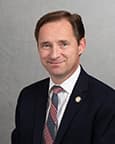
Bill SponsorRep. Steve EliasonRepublican
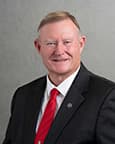
Floor SponsorSen. Evan J. VickersRepublican