Loading bills…
H.B. 339Street Medicine Amendments
Signed into LawSupport
Bill SponsorRep. Tyler ClancyRepublicanFloor SponsorSen. Keith GroverRepublican
Current version: HB0339S01 (substitute)
Plain-language summary
"Street medicine" refers to health care that licensed providers deliver directly to people experiencing unsheltered homelessness in places like parks, vehicles, encampments, or other outdoor settings, rather than in a clinic or shelter. This bill would create a formal legal framework for this practice, requiring anyone providing street medicine to hold any applicable professional license under Utah's occupational licensing laws, and it would explicitly allow street medicine providers to dispense and administer long-acting injectable medications. It would also direct the Department of Health and Human Services to work with organizations already doing this work to publish guidelines, standards, and best practices by July 1, 2026, covering topics like Medicaid reimbursement procedures and available community resources for people experiencing homelessness. Additionally, the bill would give the department authority to create rules allowing street medicine providers to share and receive health information through the state's Homeless Management Information System.
AI-generated summary, not yet reviewed by Better Utah staff.
AI summaries can make mistakes and leave things out. The bill text is the official version.
Our position
Support
By helping licensed health care providers bring care directly to Utahns living on the streets, in cars, or in camps, HB 339 earns Better Utah's support. The bill defines street medicine in state law and requires the Department of Health and Human Services, with input from groups already doing this work, to publish guidelines by July 1, 2026, on Medicaid billing and on local resources for people experiencing homelessness. It also lets street medicine providers give long-acting injections as allowed under state law, which may help people stay on mental health or addiction treatment when reaching a clinic is hard. Meeting people where they are is a practical step toward better health and stability, and we will watch closely to make sure any future rules on sharing health information protect patient privacy.
Better Utah Institute · updated Feb 28
What this bill does
This bill addresses street medicine.
Key provisions
This bill:
- requires the Department of Health and Human Services (the department) to develop a guide for street medicine providers;
- grants the department rulemaking authority;
- permits a street medicine provider to dispense and administer a long-acting injectable; and
- defines terms.
Where it is
Introduction, completed
Jan 23
House Rules, completed
Feb 6
House committee, completed
House 3rd reading, completed
Feb 18 · 66 to 1 (see the votes)
Senate Rules, completed
Feb 20
Senate committee, completed
Feb 24 · Recommended, 5 to 0 (see the votes)
Senate 2nd reading, completed
Feb 26 · 26 to 0 (see the votes)
Senate 3rd reading, completed
Feb 27 · 22 to 0 (see the votes)
Governor signed, completed
Mar 24
Issues
Assigned by Better Utah.
H.B. 339Street Medicine Amendments
Current version: HB0339S01 (substitute)
Signed into Law
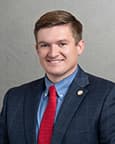
Bill SponsorRep. Tyler ClancyRepublican
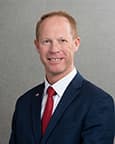
Floor SponsorSen. Keith GroverRepublican