Loading bills…
H.B. 294Employer Verification Amendments
FailedOppose
Bill SponsorRep. Tiara AuxierRepublicanFloor SponsorSen. Don L. IpsonRepublican
Plain-language summary
Utah law currently requires private employers with 150 or more employees to register with and use a federal work authorization verification system, commonly known as E-Verify, before hiring new employees. This bill originally proposed lowering that threshold to 50 employees, but the current substitute instead sets the threshold at 125 employees, meaning businesses with 125 or more workers would need to use the verification system starting July 1, 2027, rather than the current 150-employee threshold. The bill also adds language clarifying that using fake identification or someone else's identification to obtain a job can lead to criminal prosecution under Utah's existing fraud and identity theft laws. As a result, employers with 125 to 149 employees would face a new compliance requirement that currently applies only to larger companies with 150 or more employees.
AI-generated summary, not yet reviewed by Better Utah staff.
AI summaries can make mistakes and leave things out. The bill text is the official version.
Our position
Oppose
Better Utah opposes HB 294 because it would require more Utah businesses to check new workers' immigration status before hiring them. Starting July 1, 2027, private employers with 125 or more workers, down from 150 under current law, would have to use a federal verification system like E-Verify for every new hire. The bill also adds a reminder that people who use false or borrowed ID to get a job can be charged under existing fraud laws, which puts more focus on punishing workers. Utah is stronger when immigrants can work and support their families, and this bill moves in the opposite direction.
Better Utah Institute · updated Feb 28
What this bill does
This bill amends provisions relating to employer verification of employees.
Key provisions
This bill:
- amends provisions related to the Private Employer Verification Act, impacting a private employer who employs 50 or more employees;
- cites criminal penalties that may be applicable to the use of fraudulent identification documentation or another person's identification documentation for purposes of obtaining employment; and
- makes technical and conforming changes.
Where it is
Introduction, completed
Jan 21
House Rules, completed
Feb 3
House committee, completed
Feb 18 · Recommended, 10 to 3 (see the votes)
House 3rd reading, completed
Feb 24 · 55 to 14 (see the votes)
Senate Rules, stopped here when the session ended
Session ended
Senate committee, not yet
Senate 2nd reading, not yet
Senate 3rd reading, not yet
Governor, not yet
Issues
Assigned by Better Utah.
Details
- Cosponsors
H.B. 294Employer Verification Amendments
Failed

Bill SponsorRep. Tiara AuxierRepublican
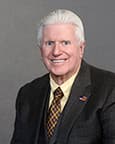
Floor SponsorSen. Don L. IpsonRepublican