Loading bills…
H.B. 110Offender Modifications
Signed into Law
Bill SponsorRep. Tyler ClancyRepublicanFloor SponsorSen. Michael K. McKellRepublican
Current version: HB0110S06 (substitute)
Plain-language summary
This bill makes several changes to how Utah courts and state agencies supervise, parole, pardon, and expunge records for people convicted of crimes. Courts could order state probation officers to supervise people convicted of certain class B misdemeanors — specifically those who are homeless and have five or more prior class B misdemeanor convictions — if the supervising agency agrees. The Board of Pardons and Parole would be required to weigh the specific facts of a new crime when deciding whether to re-parole someone whose earlier parole was revoked for committing a new offense, and before releasing anyone early (before their minimum prison term is served), the board would now have to find clear and convincing evidence that the person no longer poses a threat to public safety, in addition to existing requirements. The bill also sets waiting periods before the board may even consider a pardon for someone on the sex offender registry — 10 years after re-entering the community for those on the 10-year registry, and 20 years for those on the lifetime registry — with exceptions for people whose convictions were later overturned or who were found factually innocent. Finally, it bars anyone required to register on the Sex, Kidnap, and Child Abuse Offender Registry at the time of sentencing from receiving a certificate of eligibility to expunge their record, closing a previous gap that only looked at registry status at the time of the expungement application.
AI-generated summary, not yet reviewed by Better Utah staff.
AI summaries can make mistakes and leave things out. The bill text is the official version.
What this bill does
This bill addresses provisions related to offenders.
Key provisions
This bill:
- allows a court to order the Division of Adult Probation and Parole to supervise an individual convicted of class B misdemeanors under certain circumstances;
- requires the Board of Pardons and Parole (board), if considering whether to parole an offender who has previously been paroled and had the offender's parole revoked due to a new criminal offense, to consider the facts and circumstances of the new criminal offense in determining whether the offender should be paroled again;
- allows the board, with certain exceptions, to only consider a pardon for an offender who has committed an offense that requires the offender to register on the Sex, Kidnap, and Child Abuse Offender Registry (the registry) if:
- for a sex offender required to register on the registry for 10 years, 10 years have passed from when the sex offender entered the community after the sex offender's conviction; or
- for a sex offender required to register on the registry for the sex offender's lifetime, 20 years have passed from when the sex offender entered the community after the sex offender's conviction;
- does not allow an offender who has committed an offense that requires the offender to register on the registry at the time the offender is sentenced to receive a certificate of eligibility of expungement from the Bureau of Criminal Identification; and
- adds to the requirements for the board to meet before the board may parole an offender before the offender's minimum term of imprisonment has been met.
Where it is
Introduction, completed
Jan 20
House Rules, completed
Jan 28
House committee, completed
House 3rd reading, completed
Feb 10 · 61 to 1 (see the votes)
Senate Rules, completed
Feb 13
Senate committee, completed
Feb 17 · Recommended, 6 to 0 (see the votes)
Senate 2nd reading, completed
Feb 19 · 28 to 1 (see the votes)
Senate 3rd reading, completed
Mar 4 · 27 to 0 (see the votes)
House concurrence, completed
Mar 5 · 69 to 0 (see the votes)
Governor signed, completed
Mar 26
H.B. 110Offender Modifications
Current version: HB0110S06 (substitute)
Signed into Law
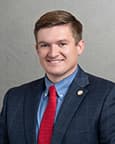
Bill SponsorRep. Tyler ClancyRepublican

Floor SponsorSen. Michael K. McKellRepublican